
Comporta and Tróia — A Quieter Coast from Lisbon
Across the Sado, Tróia's Roman coast gives way to Carrasqueira's working pier, Comporta's rice fields and the Atlantic. A different pace from Lisbon.
Comporta is a coastal area south of Lisbon known for rice fields, dunes and wide Atlantic beaches. Our private Tróia and Comporta day crosses the Sado by ferry and visits the Roman ruins, Carrasqueira stilt pier and a local winery; lunch is at your own expense.
By the YES local guides, YES Experiences Portugal
A decade designing private days across Portugal.
Licensed operator RNAAT nº 31/2023.
Across the Sado to Tróia
The ferry crossing sets the day apart from a drive west to Cascais. Arrábida recedes across the estuary; on the other side, the Roman Ruins of Tróia sit close to the water. Dolphins live in the Sado, though a sighting from the ferry is never guaranteed. Explore the private Tróia and Comporta day for the stops and current inclusions.
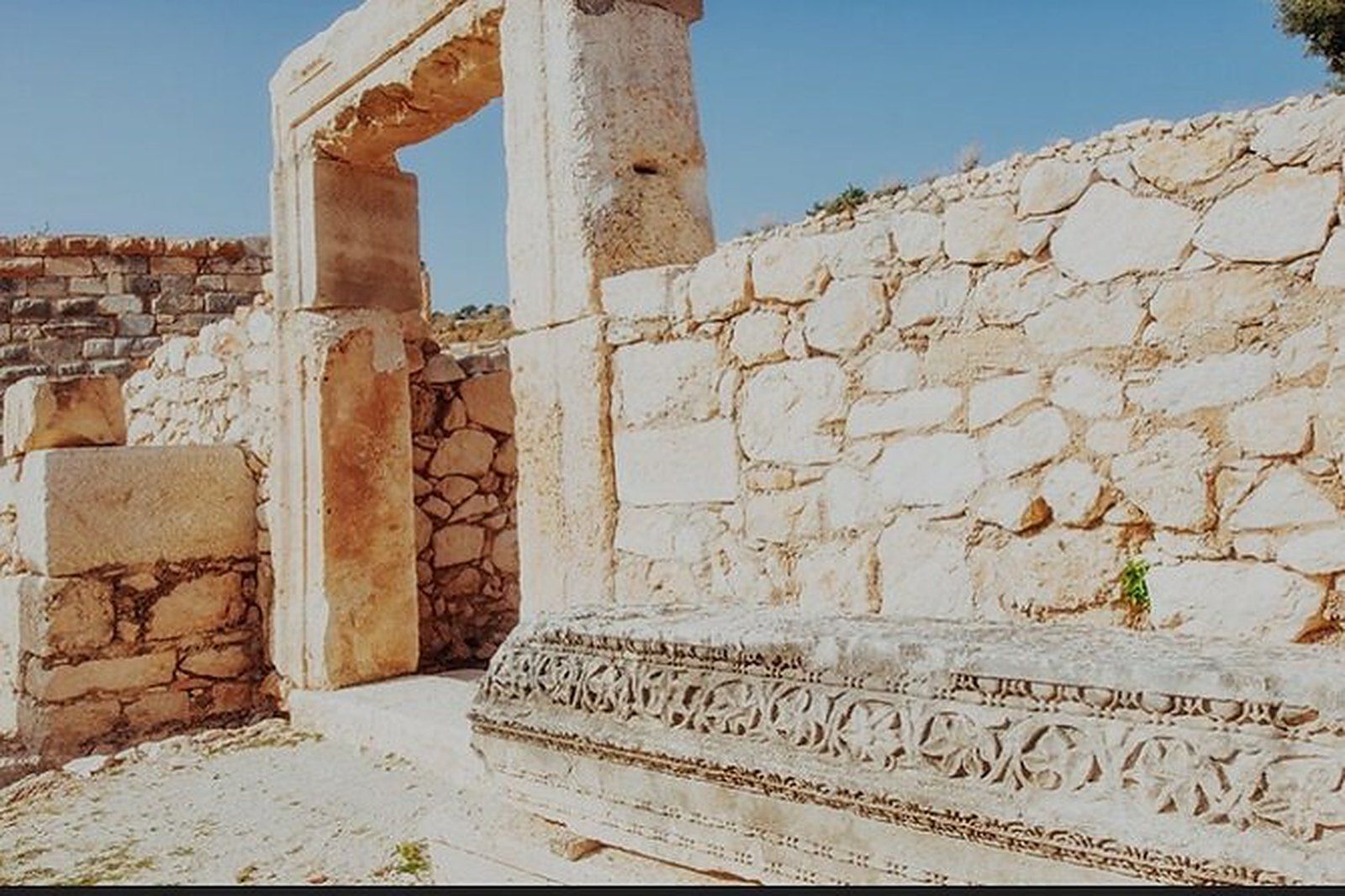
Roman ruins beside the water
At Tróia, the remains of fish-salting tanks give this coast a history beyond its beaches. The private Signature includes the ruins as part of a day that moves from the Sado toward Comporta, rather than treating the peninsula as a beach stop alone.
Carrasqueira is a working place
The wooden Cais Palafítico da Carrasqueira stands over the estuary mud on stilts and is still used by local fishers. It is not a constructed attraction. Pause here to see how the shore is worked, then follow the rice fields south toward Comporta.
Rice fields, dunes and a quieter kind of design
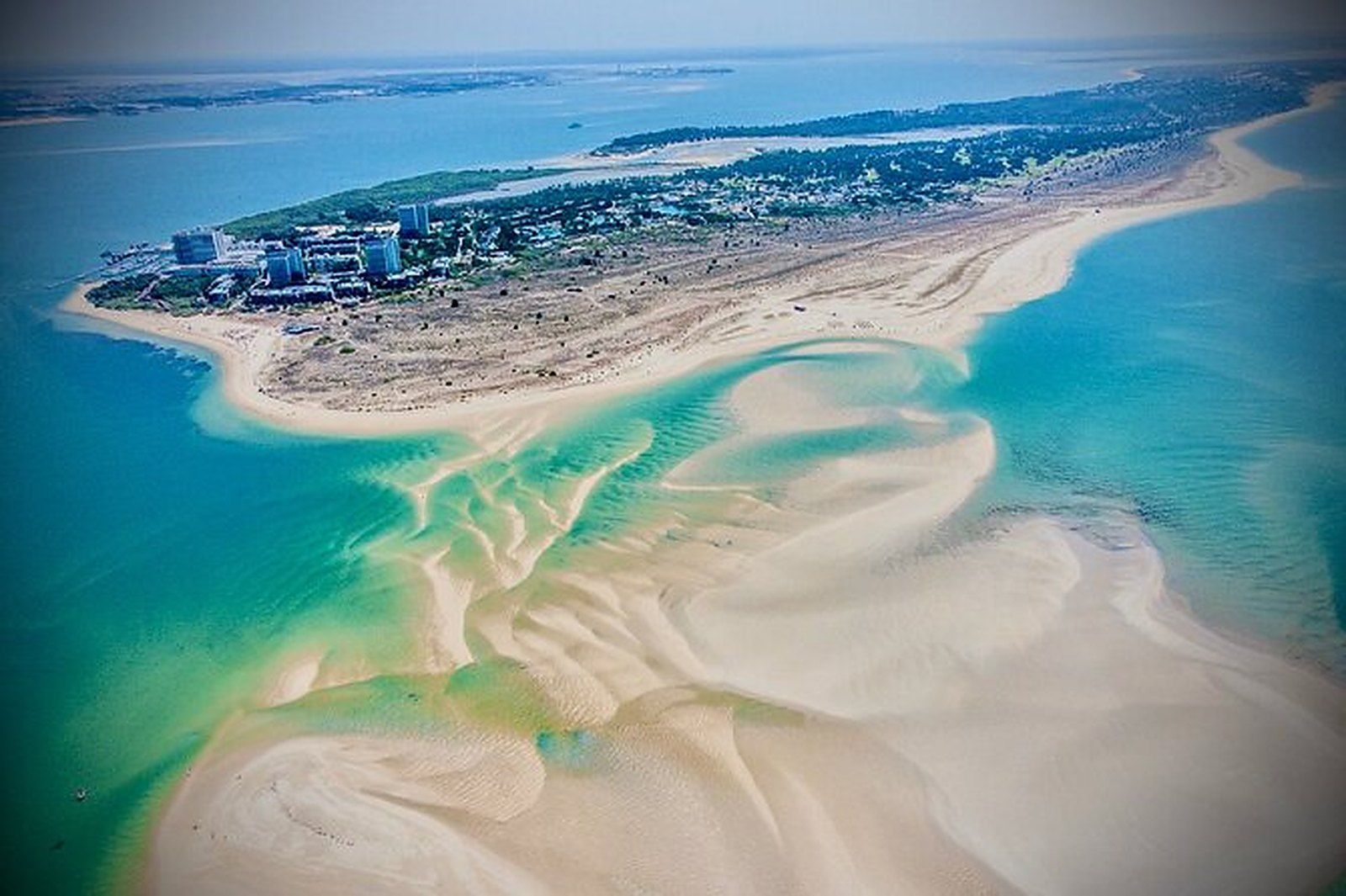
Comporta's appeal is in the space between things: working rice fields, low buildings, pine and dunes before the Atlantic. Its understated architecture and creative culture value privacy and the landscape rather than spectacle; this feels different from Cascais's resort town and the Algarve's busier coastal centers. The Tróia and Comporta Signature includes a tasting at Herdade da Comporta; check the tour page for the exact day's inclusions.
One day, or part of a longer Portugal journey
A private Comporta day connects the ferry, the ruins, the working pier, wine and the coast. For more time along the Sado and Alentejo, Travel Designer can shape a multi-day journey with a local expert. For a more rugged coastal landscape, read our Costa Vicentina guide.
Start here
Portugal Coastal Drives from LisbonBook this day
See the Tróia & Comporta Signature