
Vinho de Talha — Alentejo Wine Made in Clay
Clay vessels, Roman roots and a living Alentejo wine tradition near Vila de Frades and Vidigueira.
Vinho de Talha is a traditional Alentejo wine made using large clay vessels called talhas. Its roots reach back more than two millennia to Roman winemaking, and the practice remains alive around Vila de Frades and Vidigueira. Our Roman Heritage private day connects this tradition with São Cucufate and a talha-wine visit.
By the YES local guides, YES Experiences Portugal
A decade designing private days across Portugal.
Licensed operator RNAAT nº 31/2023.
What Vinho de Talha means
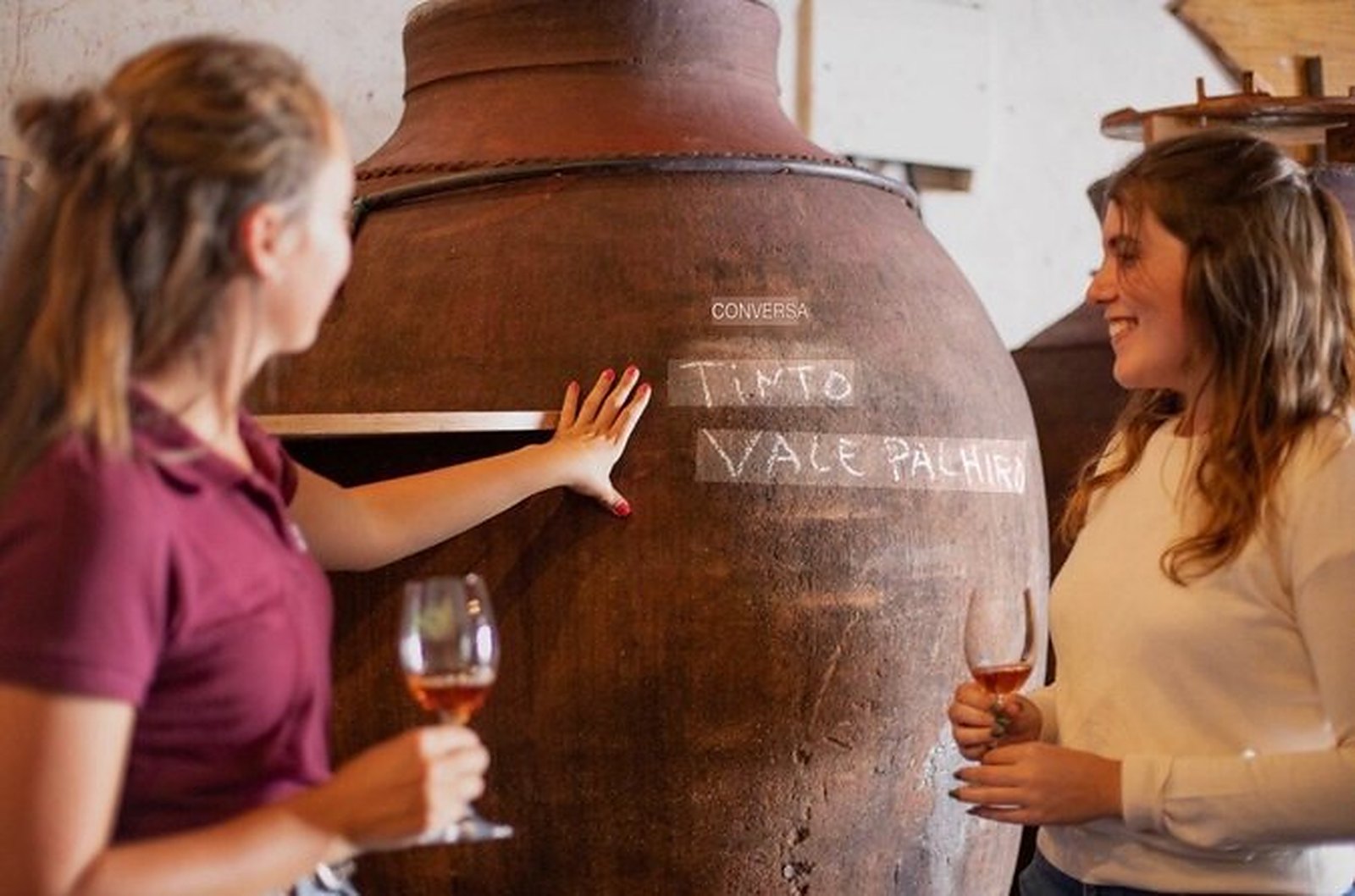
A talha is a large clay vessel used to ferment wine. In parts of the Alentejo, this method with roots more than two millennia old is still practiced rather than merely displayed in a museum. Near Vila de Frades and Vidigueira, visitors encounter both the vessel and the people who keep the tradition in use. The cultural value is continuity: a way of making wine passed along locally, not a Roman recipe reconstructed for visitors.
São Cucufate — the Roman landscape
The Roman villa of São Cucufate near Vila de Frades gives this wine story a physical setting. Our Roman Heritage and talha-wine day includes the ruins before the wine visit; the connection is a place and a living practice, not a claim that today's wine comes from the villa itself.
The Talha Wine Interpretation Center
The Centro Interpretativo do Vinho de Talha helps place the large clay vessels in context before a winery visit. See the form of the talha and the fermentation method, then bring that understanding into the cellar. The center is among the published stops on our Roman Heritage private day.
The cellar, not just the vessel
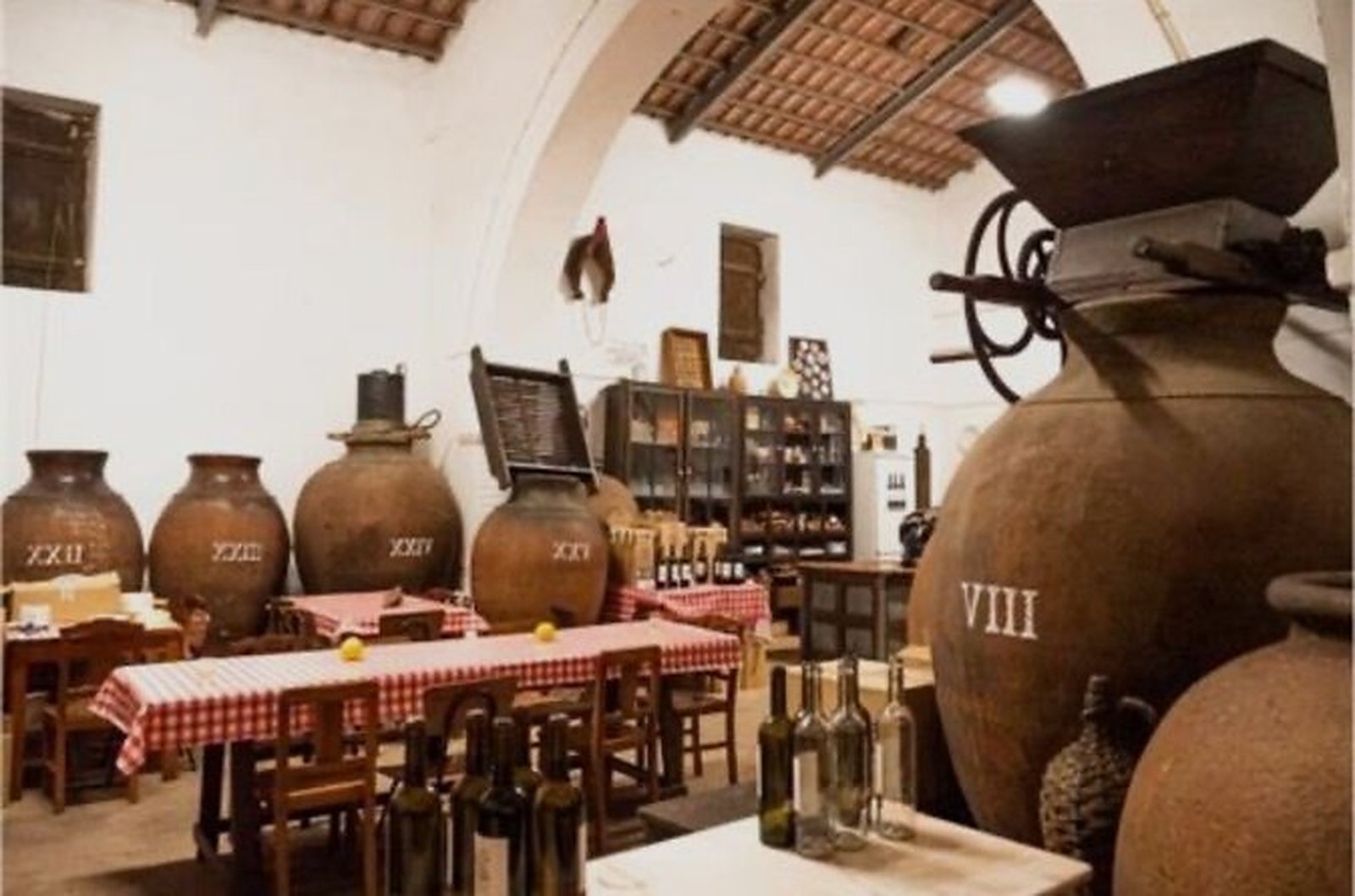
The published day includes a visit to a working talha cellar and a tasting. The large clay jars are part of a continuing local practice, not historical props. Check the Roman Heritage tour page for the exact visit and meal inclusions before reserving; individual arrangements depend on the confirmed day.
A private day, or a chapter in the Alentejo
The Roman Heritage Signature is an 8–9-hour private day. For travelers who want more time in the Alentejo, Travel Designer can shape a longer journey around regional wine and culture. If you are comparing wine days from Lisbon, our wine guide explains how this tradition differs from Arrábida and Évora.
- What is talha wine?
- Vinho de Talha is wine made using large clay vessels called talhas. The practice has Roman roots going back more than two millennia and continues in Alentejo villages around Vila de Frades and Vidigueira.
- Is this day different from a standard Évora wine tour?
- The Roman Heritage day focuses on São Cucufate and traditional talha winemaking near Vidigueira. The Évora day combines the city with Alentejo winery visits. Compare the current stops and inclusions on each tour page.
- How long is the day and what's the pace?
- The Roman Heritage Signature is listed as 8–9 hours. Its tour page has the current stop and pickup details.