
Planning a Private Portugal Wine & Gastronomy Trip
Portugal is one of the last wine countries where a family cellar is still a family table. This is how we plan trips for travellers who choose the country by what's on the plate.

Two regions do most of the work
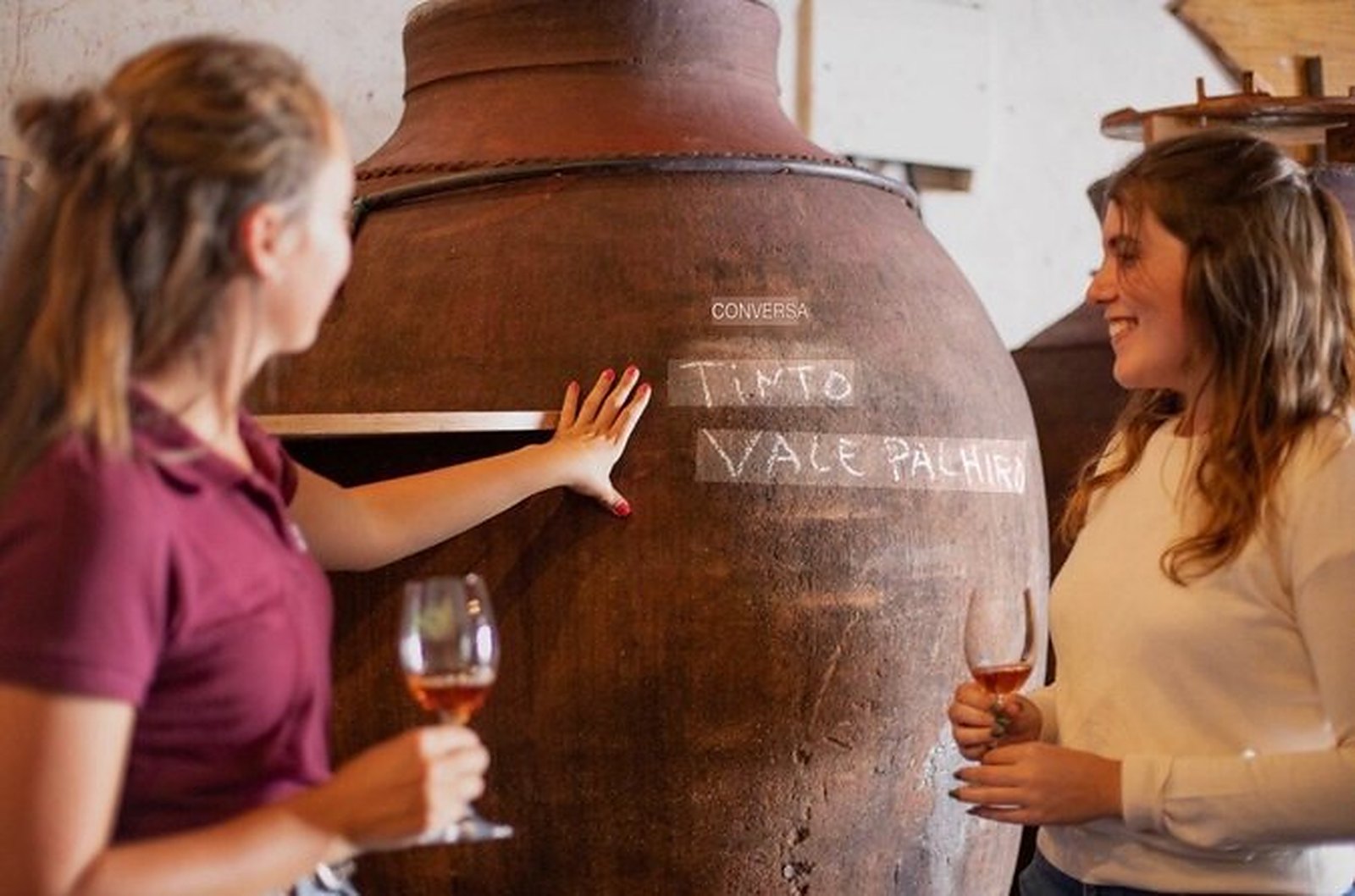
For a first wine trip, the two regions we design most weeks are the Arrábida (south of Lisbon — small family cellars, Moscatel de Setúbal, and lunch in Sesimbra harbour) and the Alentejo (Évora, marble villages, and the vinho de talha tradition — wine still fermented in Roman-style clay amphorae).
The private day is the unit
A good wine day in Portugal is two cellars, not four — enough time to actually eat lunch, drive slowly, and sit down at each table for more than a photo. Our Signature days below are shaped around that pace.
Beyond wine — the tables that go with it
Cheese in Azeitão, the fish grills of the Setúbal coast, the black-pork gastronomy of the Alentejo. A gastronomy-first Portugal trip weaves at least one of these into every day.
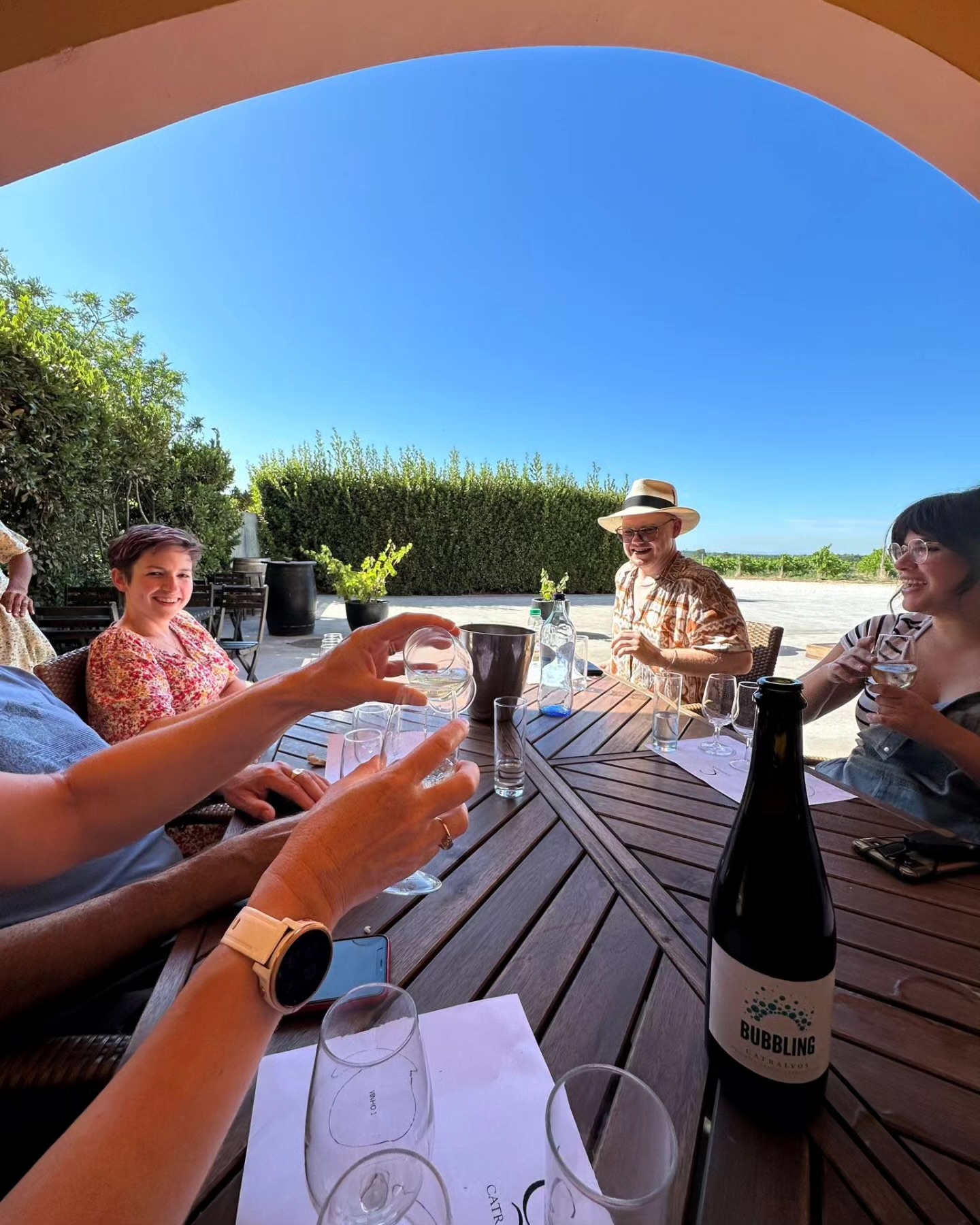
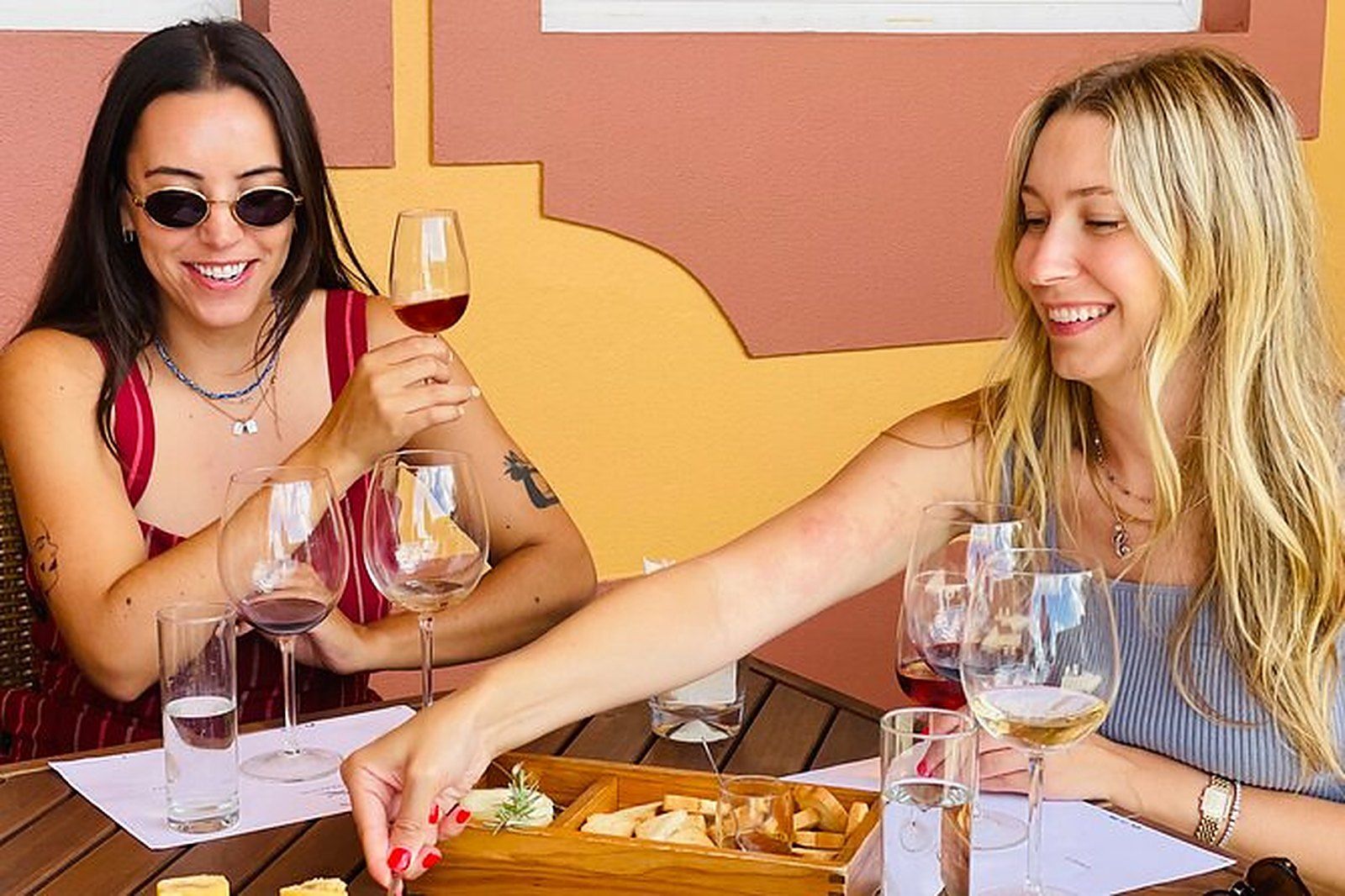
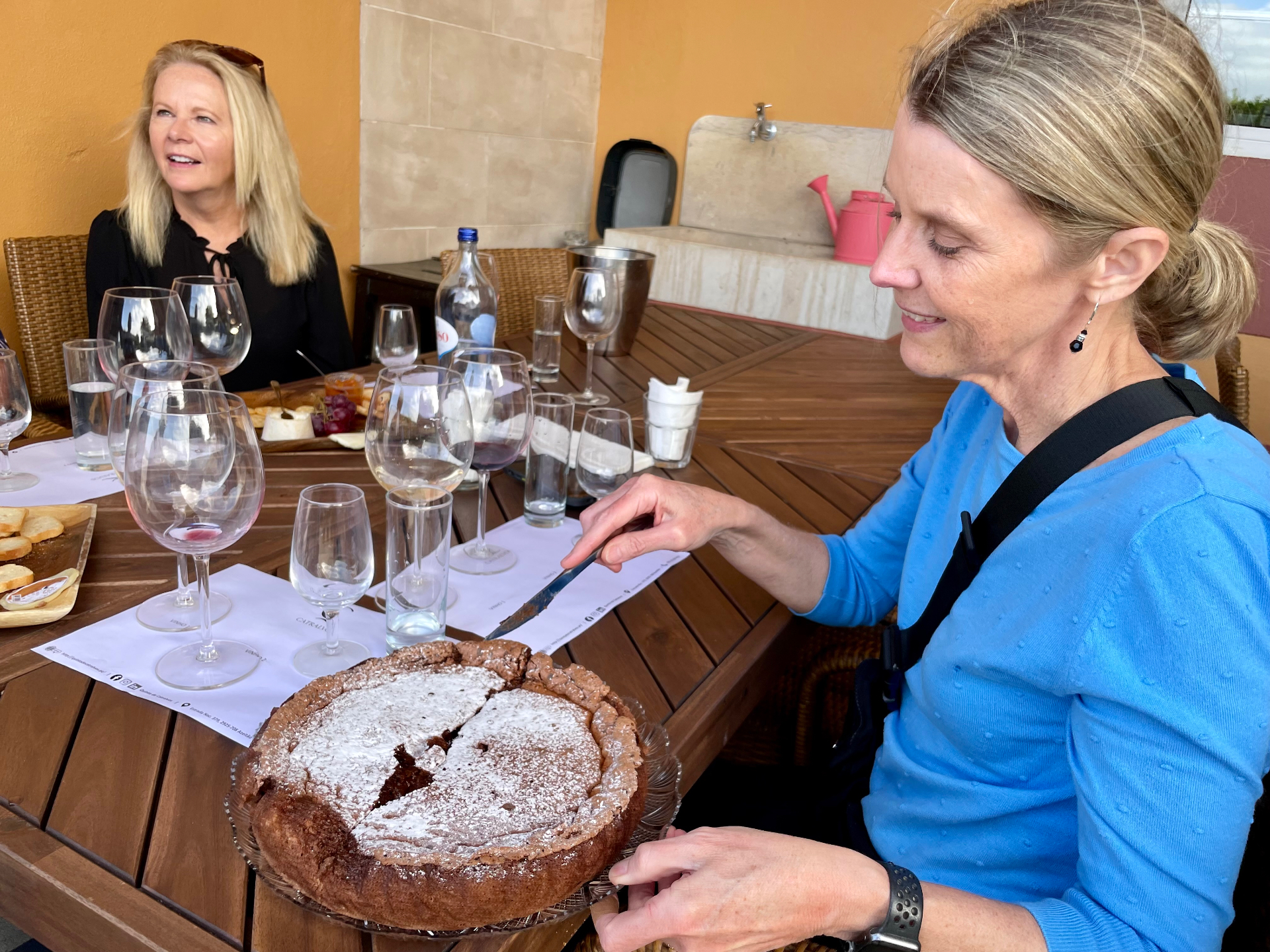
Private days built around a table
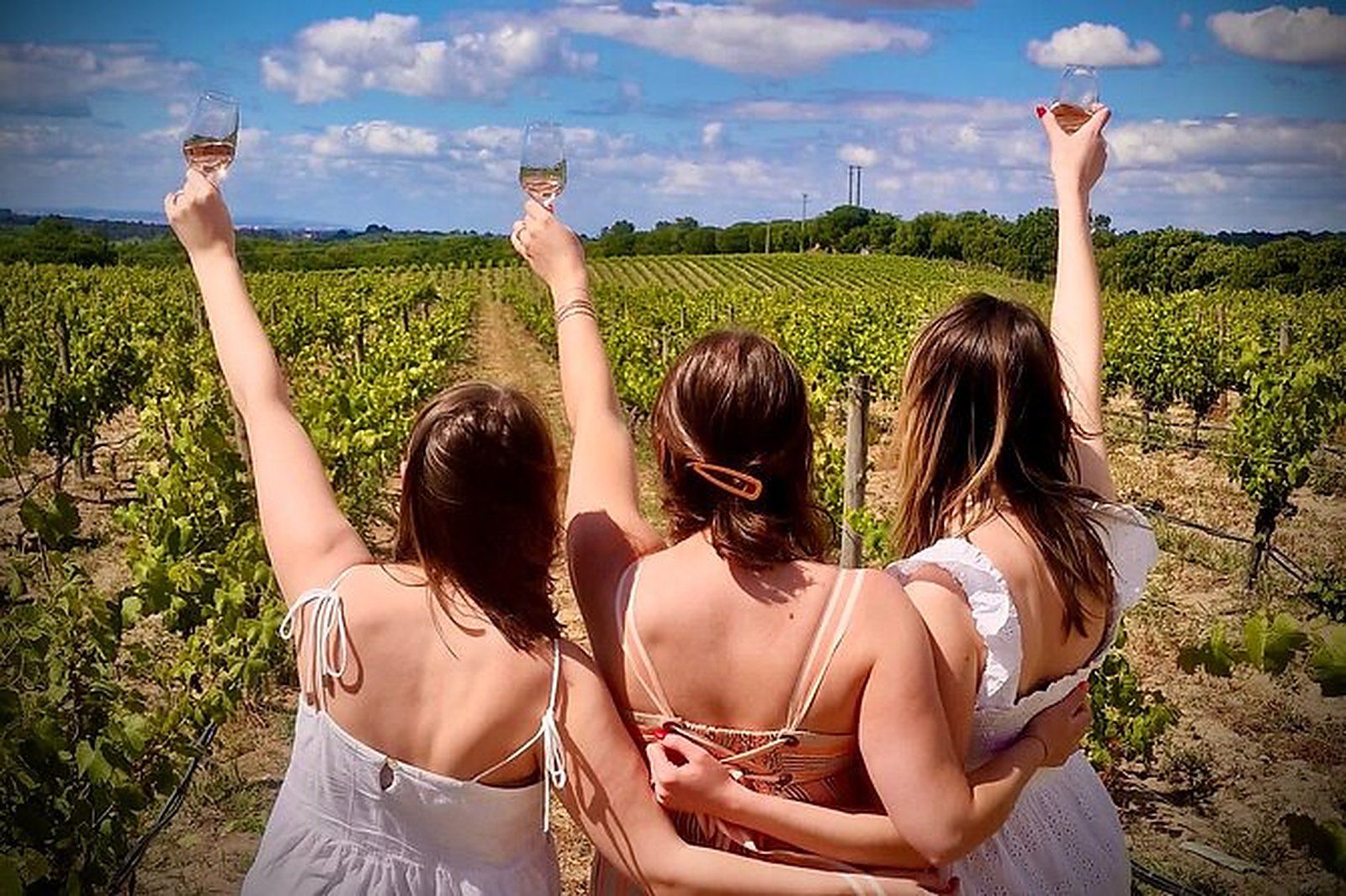

Planning your wine trip
- Which region has the best wine trip in Portugal?
- It depends on the taste. The Arrábida (south of Lisbon) is the easiest wine day — small family cellars, coast, one-hour transfers. The Alentejo goes deeper — vinho de talha, marble villages, two or three nights. The Douro is Portugal's most famous wine region but adds a domestic flight or a long transfer.
- Do you organise vineyard visits at family cellars?
- Yes — every winery on our Signature days is a family-run cellar we know personally. Private tastings, no coach groups, always a conversation with someone who makes the wine.
- Can a wine trip work outside harvest season?
- Yes. Harvest (September–October) is beautiful but busy. Spring cellars are quieter and equally generous; winter tastings often include library vintages the summer visitor never sees.