
Planning a Private Trip to the Alentejo
The Alentejo is Portugal's slow-Portugal — cork-oak plains, marble towns, and one of the world's oldest continuous wine traditions. Two nights is the minimum; four is better.

Why the Alentejo
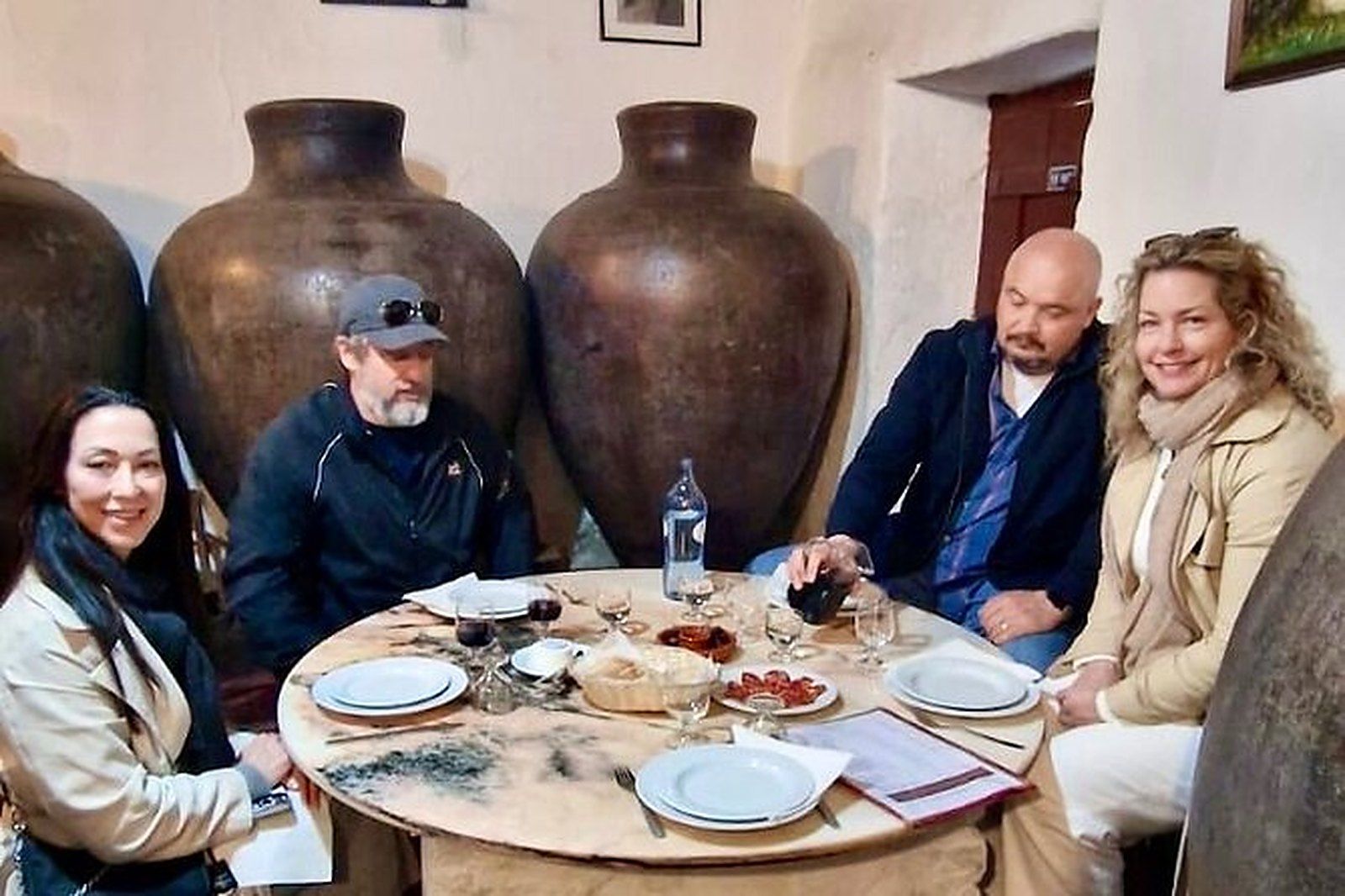
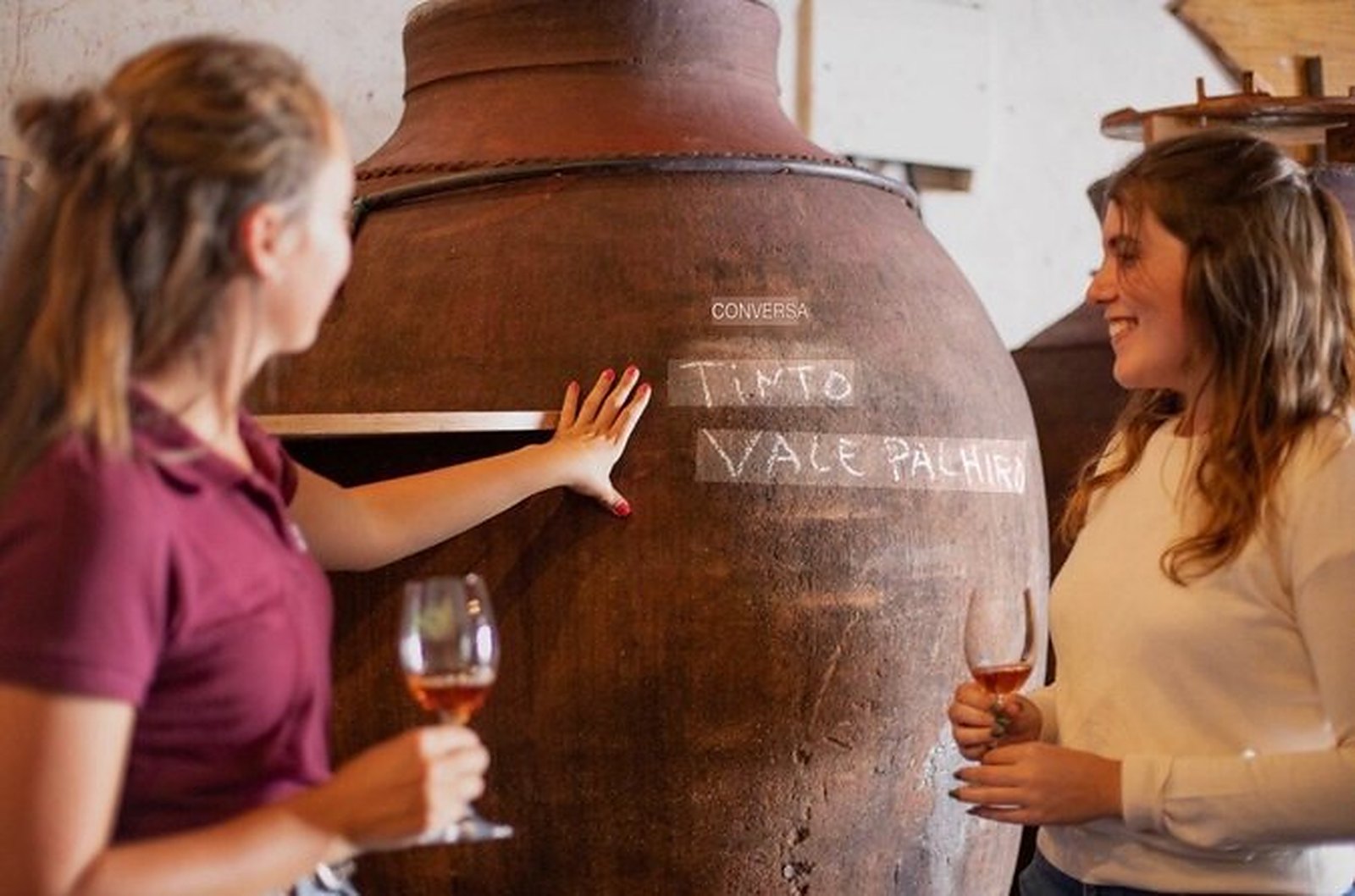
The Alentejo is what most travellers imagine when they think of Portugal but rarely reach. Long horizons, sheep bells, whitewashed towns with marble streets, and a wine culture that still ferments in Roman-style clay amphorae (vinho de talha) — a tradition older than the country itself.
The two-night shape
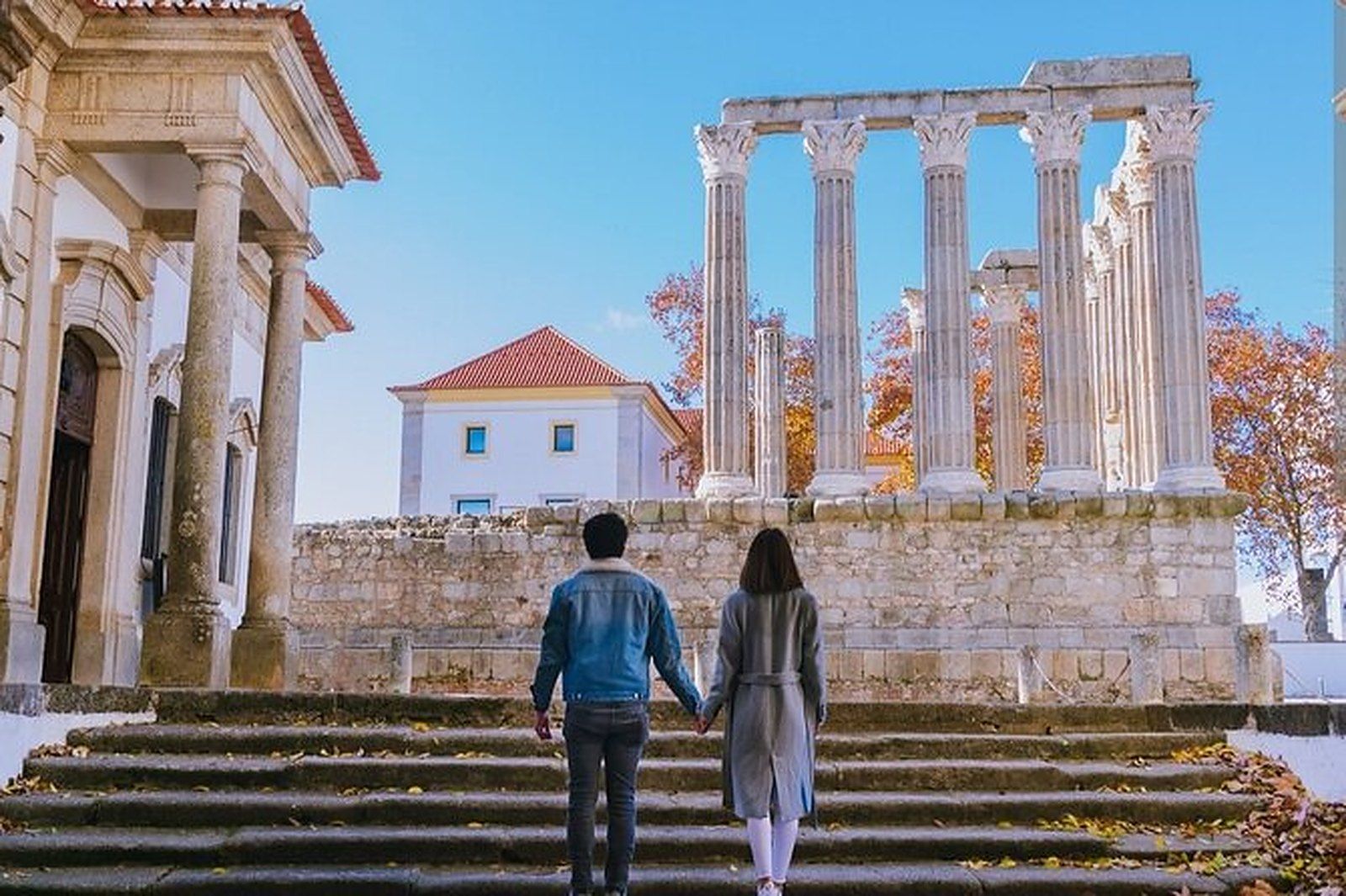
One night in Évora — Roman ruins, the cathedral, dinner at a table your designer has eaten at — and one night at a quinta outside town, so you wake up in the landscape you drove into.
The vinho de talha morning
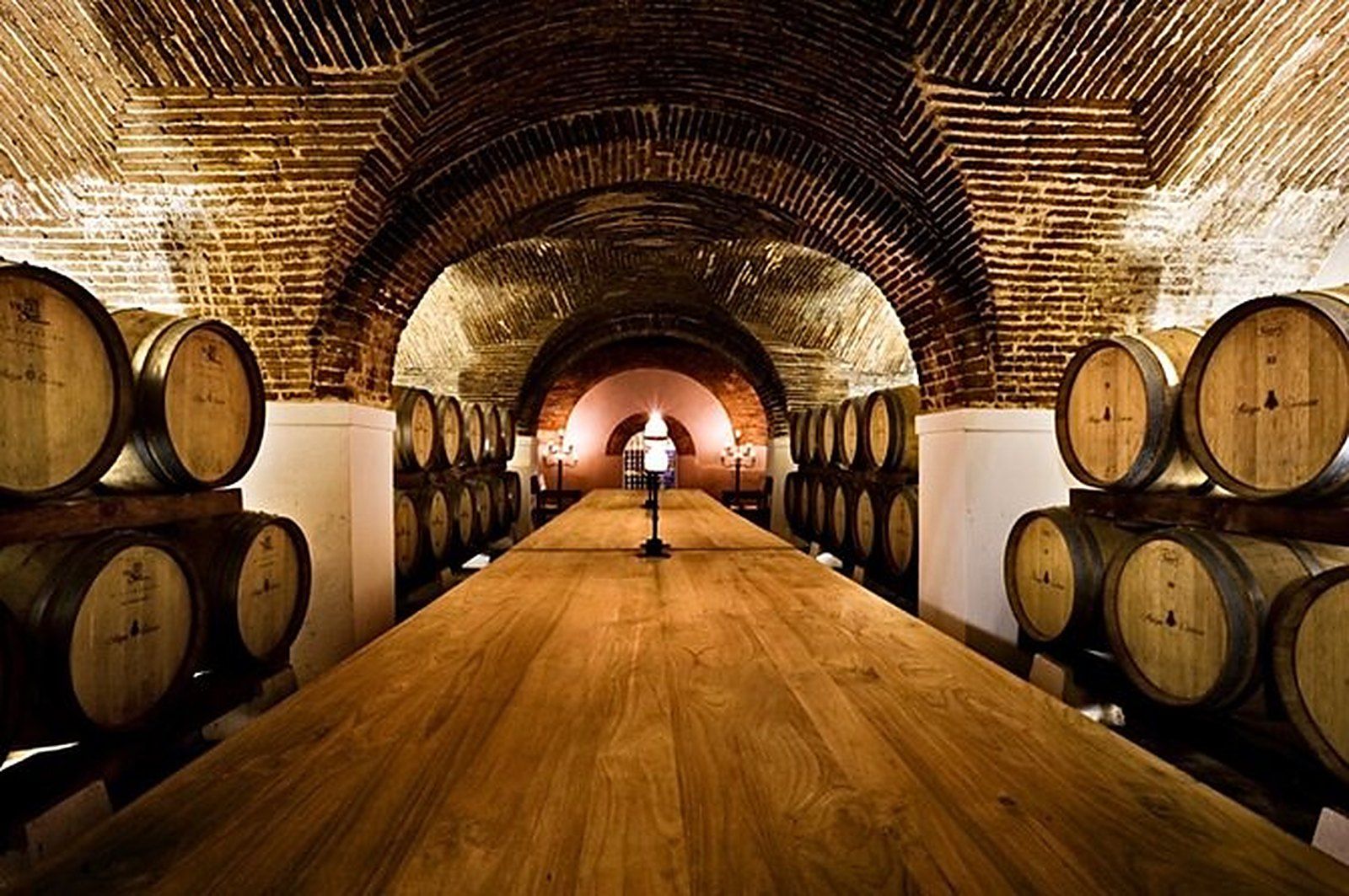
A private morning inside a family cellar in the Vidigueira region — the amphorae, the tasting, and a conversation with the winemaker in a language your guide translates gently. This is one of our most distinctive experiences.
The private days we already run here
Planning your trip here
- Is the Alentejo doable as a day trip from Lisbon?
- Yes — we run a private day tour to Évora and back, and it works. For the wine tradition and the light, though, two nights is the shape that stays with you.
- When is the best time to visit the Alentejo?
- Spring (April–June) and autumn (September–October). July and August are very hot; the plains bake. Winter is quiet, cold in the morning and warm at lunch — surprisingly beautiful.